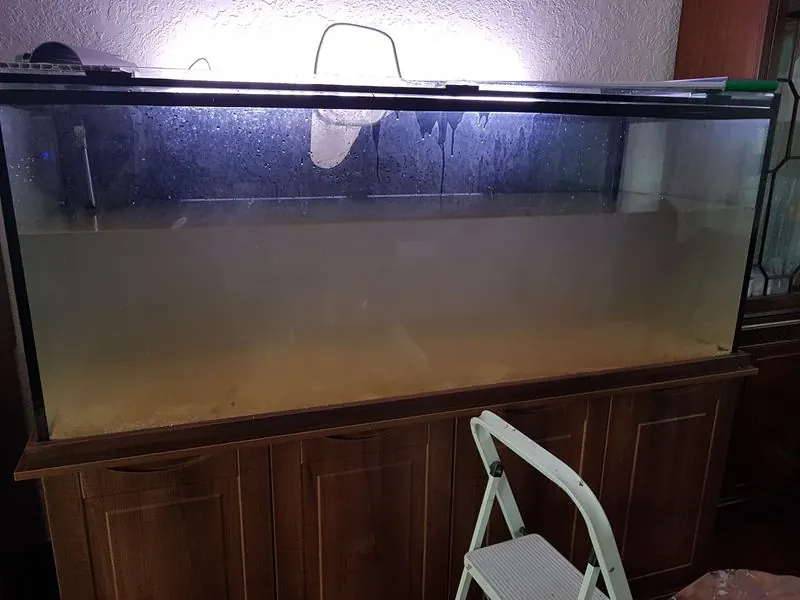
This is one of the most common questions we hear — and the honest answer is more nuanced than most people expect. The right service frequency depends on your tank size, water type, stocking level, and filtration setup.
What's consistent across every aquarium is this: skipping maintenance doesn't just risk your water quality. It risks your livestock.
The Short Answer
For most home aquariums, professional servicing every 2–4 weeks is the sweet spot. Some heavily stocked tanks need weekly attention. Some lightly stocked, well-filtered setups can stretch to monthly. Marine and reef tanks generally need more frequent care than freshwater.
Freshwater Aquariums
Weekly (you can do this yourself)
- Visual check on all livestock
- Check equipment is running correctly
- Top up evaporation losses with dechlorinated water
Every 2 Weeks
- Partial water change (typically 20–30%)
- Glass clean inside and out
- Gravel vacuum or substrate clean
- Check water parameters (ammonia, nitrite, nitrate, pH)
Monthly
- Filter media rinse in tank water — never tap water
- Check and clean all equipment
- Trim plants if applicable
- Full water parameter test
Marine and Reef Aquariums
Marine tanks require more frequent attention because the chemistry is more complex and the livestock — particularly coral — is more sensitive to parameter swings.
Weekly
- Water parameter testing (salinity, pH, ammonia, nitrite, nitrate, alkalinity, calcium)
- Top up with RODI water for evaporation
- Visual livestock check
- Protein skimmer clean
Every 2 Weeks
- Partial water change (10–15%)
- Glass clean
- Equipment check
Monthly
- Full equipment service
- Sump clean
- Phosphate and magnesium testing
- Coral health assessment
Koi Ponds
Ponds have seasonal rhythms that change the maintenance requirements significantly. Spring and summer require more frequent attention — algae growth is faster, fish are more active and eating more, and water temperature changes affect chemistry. Weekly checks during peak season are advisable. Autumn involves preparation for winter. Winter requires minimal active maintenance but regular checks that equipment is running and the pond surface isn't fully frozen over.
What Happens If You Don't Service Regularly?
Ammonia and nitrite build-up is the most immediate risk. Both are toxic to fish. Without regular water changes and filter maintenance, levels climb — sometimes quickly. Fish show signs of stress, stop eating, and in severe cases die within days.
Nitrate accumulation is slower but equally damaging over time. High nitrates stress fish, suppress immune systems, and promote aggressive algae growth.
Filter failure is often a consequence of neglect. Beneficial bacteria colonies that process waste need regular but careful maintenance. Letting filters go too long without attention crashes the biological filtration and restarts the nitrogen cycle, which is devastating for livestock.
Equipment failure that goes unnoticed is another common outcome of infrequent servicing. A heater running too hot, a pump running dry, a UV steriliser bulb that's burned out — these are all issues that a regular service visit catches before they become emergencies.
Professional vs DIY Maintenance
Many aquarium owners do a good job of basic weekly tasks themselves. The value of professional servicing is in the detail — the water chemistry analysis, the equipment assessment, the early identification of livestock health issues, and the experience to know when something isn't right before it becomes an obvious problem. We work with clients across a range of schedules — some want us in every two weeks, some monthly. We build the programme around the tank, not a standard template.
Ready to talk to a specialist?
Whether you need a quote, advice, or just want to explore what's possible — we're happy to chat with no obligation.
Get in Touch